
How Weather Patterns Guide Nutrient Timing and Grass Growth
Seasonal shifts change how grass grows, rests, and absorbs nutrients. Temperature, rainfall, and daylight all shape soil activity. These changes affect when nutrients help and when they harm. Many homeowners apply products at the wrong time. That leads to weak roots or wasted effort. Understanding how each season works helps you plan smarter care. You get steadier color, fewer weeds, and less runoff. The goal is not more product. The goal is better timing based on nature.
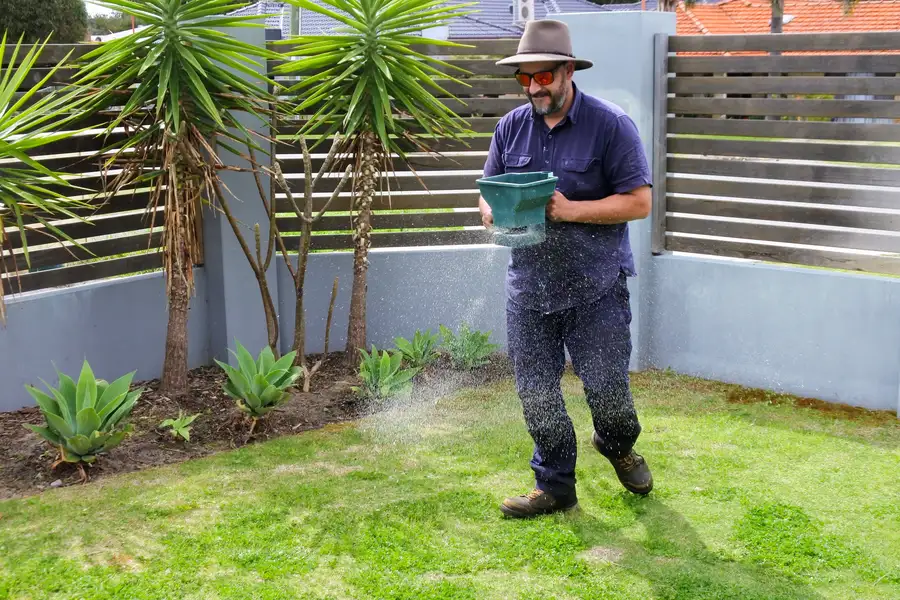
Spring Growth Patterns With Early Nutrient Demand
As soil warms, grass wakes from winter rest and starts rapid growth. This is when Lawn Fertilization often begins for many yards. Roots need support, but too much early nitrogen can push weak leaf growth. Cool-season grasses respond first, while warm-season types lag. Soil tests help guide the right blend. Light feeding supports roots without stress.
Summer Stress With Heat and Drought Pressure
Heat changes how nutrients move through soil. During summer, Lawn Fertilization needs careful timing to avoid burn. High nitrogen during heat can damage blades and dry roots. Water limits nutrient uptake, so slow-release products work better. Mowing height also matters. Taller grass shades soil and reduces stress.
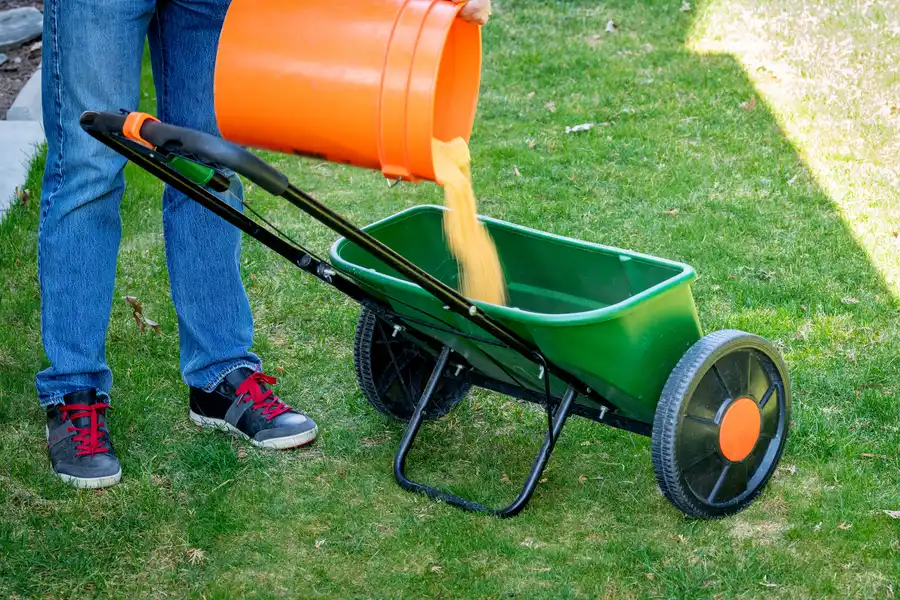
Fall Recovery With Root Strength Building
Cool air and warm soil make fall ideal for recovery. Grass focuses on roots more than leaves now. Feeding supports storage of energy for winter. For cool-season lawns, this is the most important feeding period. Phosphorus aids root depth where allowed. Always check local rules before applying.
Winter Dormancy With Minimal Nutrient Use
Most grasses slow or stop growth during winter. Frozen or cold soil limits nutrient movement. Applying products now risks runoff into storm drains. Warm-season grasses may stay green in mild zones, but needs remain low. Winter care focuses on cleanup, not feeding.
Key Benefits With Season-Based Planning
Matching care to seasons brings clear gains. You save money and reduce mistakes. Grass responds stronger and fights weeds better.
- Healthier roots through proper timing
- Less nutrient waste and runoff
- Better color during peak growth
- Lower risk of lawn burn
Common Problems With One-Size Plans
Using the same approach year-round causes issues. Many problems show signs within weeks. Others appear months later.
- Uneven growth from poor timing
- Weed spread due to weak turf
- Soil compaction and salt buildup
Simple Steps With Seasonal Adjustments
You can adapt care with a clear process. Each step builds on the last. Adjust based on grass type and climate.
- Test soil before each major season
- Match product release to temperature
- Water deeply but less often
- Adjust mowing height with heat
Best Practices With Expert Guidance
Professionals follow proven standards. These tips reduce risk and improve results.
- Use slow-release blends in summer
- Avoid feeding before heavy rain
- Follow label rates exactly
- Track dates and results yearly
Comparing Seasonal Pros and Cons With Smart Choices
Each season offers benefits and limits. Knowing both sides helps planning.
- Spring pros: fast response; cons: weed risk
- Summer pros: steady color; cons: heat stress
- Fall pros: root growth; cons: timing window
Costs and Value With Long-Term Results
Season-based plans cost less over time. Fewer applications reduce labor and product use. Healthier grass lowers repair costs. Proper timing improves return on effort. Many homeowners see fewer weeds within a year. The value comes from prevention, not reaction.
Planning Ahead With Professional Support
Based in Sacramento, CA, we help property owners plan care around real seasonal needs. Juan Villanueva Landscaping focuses on timing, soil health, and steady results. Call (916) 678-9260 to discuss a plan that fits local weather patterns and grass types. We guide ongoing care using proven methods and clear schedules.