
How Ongoing Outdoor Care Supports Long Term Environmental Health
Outdoor spaces shape how communities use water, energy, and land every day. Lawns, trees, and plant beds can either waste resources or protect them. Sustainable care focuses on smart choices that lower harm and improve balance. This approach affects soil health, water use, and local wildlife. Property owners want outdoor areas that look good and work well. They also want lower costs and fewer long term problems. Understanding the role of thoughtful upkeep helps you make better decisions for your space and the environment.
Why Routine Care Matters for Sustainability Goals
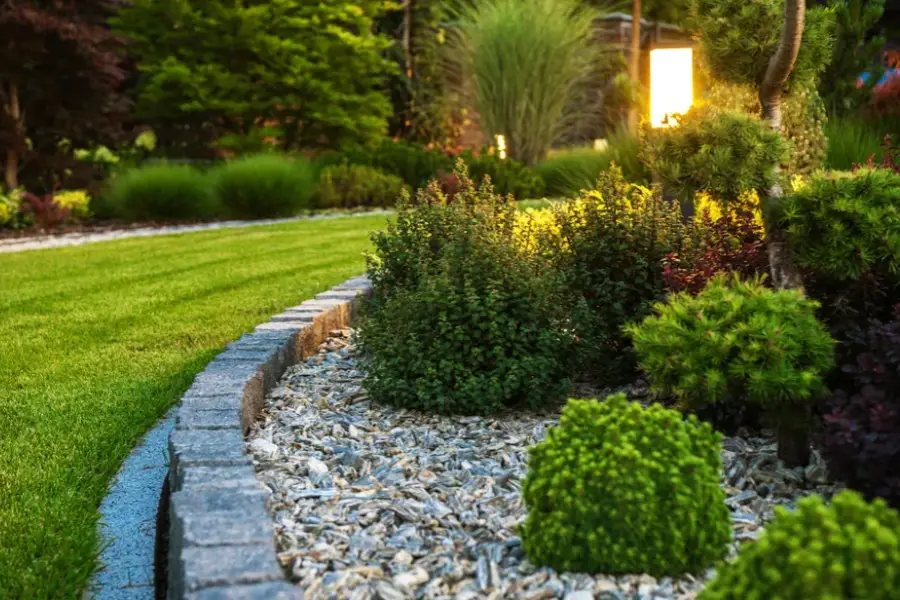
The core role of landscape maintenance becomes clear when daily tasks support wider environmental goals. Proper mowing height protects grass roots and reduces water loss. Timed watering limits runoff and saves clean water. Pruning helps trees stay strong and live longer. These actions cut waste and reduce the need for repairs. When done right, landscape maintenance supports healthy growth while lowering energy and resource use.
Resource Savings Linked to Smarter Upkeep Choices
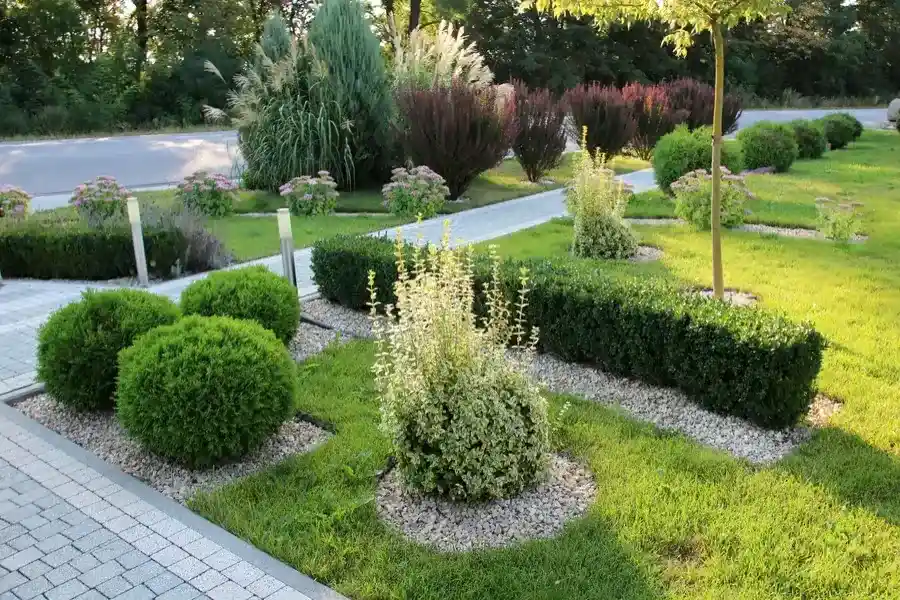
Many property owners see results when landscape maintenance focuses on efficiency. Using native plants lowers water demand and supports local insects. Soil testing reduces excess fertilizer runoff. Mulching keeps moisture in the ground longer. These steps protect nearby water systems and improve soil life. They also reduce bills over time, which matters to most property owners.
Environmental Benefits You Can Expect
- Lower water use through targeted irrigation schedules
- Healthier soil with reduced chemical buildup
- Improved air quality from stronger plant growth
- Better habitat for birds and pollinators
Common Problems That Block Sustainable Results
Many outdoor spaces fail to meet sustainability goals due to common mistakes. Overwatering is one of the biggest issues. Poor drainage can wash nutrients into streets and drains. Wrong plant choices create high upkeep needs. Infrequent inspections allow small issues to grow. These problems raise costs and harm the environment if left unaddressed.
Step by Step Changes That Improve Outcomes
- Review current watering schedules and adjust by season
- Test soil to guide fertilizer and compost use
- Replace high need plants with native options
- Set routine checks for pests and disease
- Track changes to water and material use
Best Practices Used by Industry Professionals
- Use drip irrigation to limit evaporation
- Maintain sharp tools for cleaner plant cuts
- Schedule work during cooler parts of the day
- Compost green waste instead of sending it away
Standards and Rules That Guide Sustainable Care
Local and state rules often shape how outdoor areas should be managed. Water restrictions may limit irrigation times. Fertilizer use can be regulated near waterways. Some areas require setbacks for certain plant types. Following these rules avoids fines and protects shared resources. Industry groups also provide guidelines that promote soil health and safe material use.
Cost Factors and Long Term Value
Sustainable outdoor care often costs less over time. Efficient systems reduce monthly water bills. Healthy plants need fewer replacements. Preventive care avoids major repairs. While some upgrades cost more upfront, the return grows each year. You gain stable landscapes and predictable expenses, which helps with planning.
Pros and Cons of Sustainable Outdoor Care
- Pros include lower resource use and healthier plants
- Pros include reduced long term costs
- Cons may include higher setup costs at first
- Cons may include the need for professional guidance
Next Steps Toward Sustainable Outdoor Spaces
Located in Sacramento, CA, our group supports practical choices that protect outdoor spaces. Juan Villanueva Landscaping focuses on sustainable planning and ongoing care that fits your goals. Call (916) 678-9260 to discuss ways we can help reduce waste, improve plant health, and support long term value across your property.