
How Consistent Care Shapes Strong Roots and Even Turf
A healthy yard does not happen by chance. Grass responds to how it is cut, how often trimming happens, and how stress is managed. When cutting follows a steady pattern, grass grows thicker and resists damage. Skipping or rushing care often leads to weak roots and patchy color. Understanding how regular cutting helps growth allows you to make better choices. These choices protect your yard over time and reduce long term repair needs.
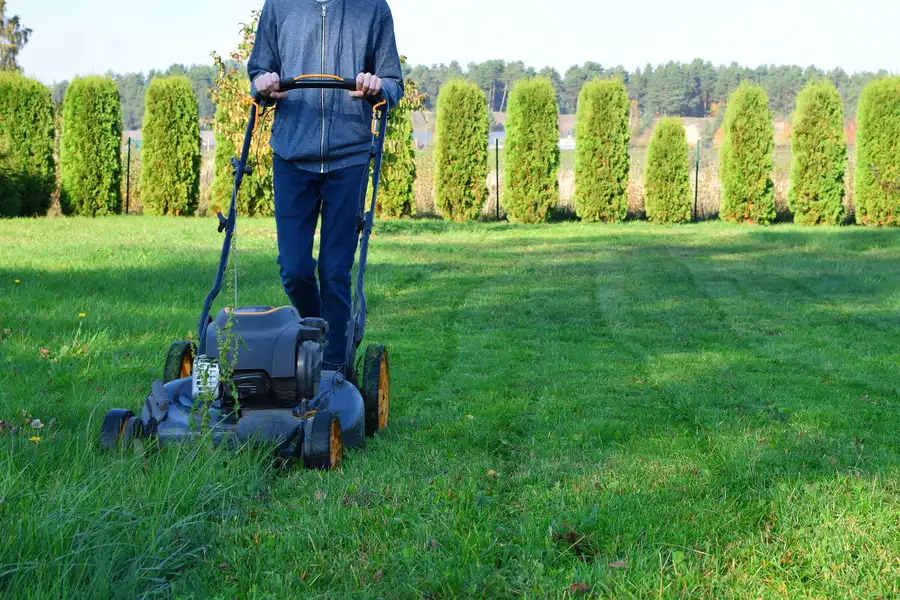
Why Consistent Cutting Supports Strong Growth
Grass relies on steady trimming to guide energy toward roots and shoots. Lawn Mowing done on a set schedule trains blades to grow upright and dense. This pattern limits weeds by blocking light at soil level. It also improves air movement across the surface. Better airflow reduces moisture buildup that can cause disease.
How Proper Height Affects Root Health
Cut height matters as much as timing. When Lawn Mowing removes too much blade length, roots lose needed fuel. Grass uses leaf surface to make food from sunlight. Short cuts weaken roots and invite stress. A proper height keeps enough leaf area to support deep root growth.
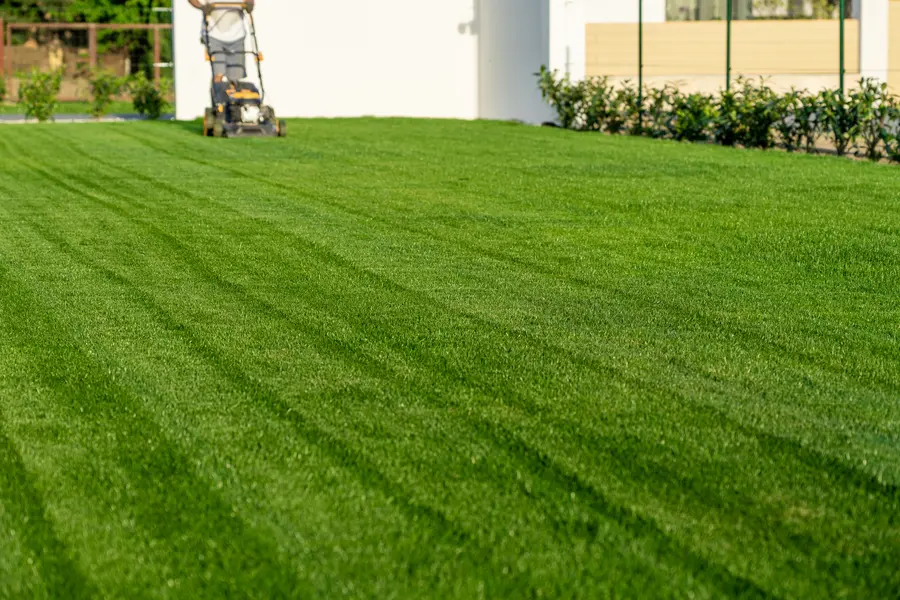
Benefits You Notice With Steady Maintenance
Consistent care creates visible and lasting improvements across your yard. These benefits go beyond looks and affect soil and plant health.
- Thicker turf that resists foot traffic
- Fewer weeds due to shade over soil
- Improved color from balanced growth
- Reduced need for repairs or reseeding
Common Problems Caused by Poor Timing
Irregular trimming creates stress that grass cannot recover from quickly. Cutting too often or too late leads to shock. Missed schedules allow blades to grow tall and weak. When finally cut, too much material is removed at once. This can slow growth for weeks and cause brown patches.
Simple Steps for A Reliable Cutting Schedule
A clear process helps avoid mistakes and protects turf health. These steps guide you through a stable routine that supports even growth.
- Set a weekly or biweekly schedule based on season
- Adjust cutting height for grass type and weather
- Keep blades sharp to avoid tearing
- Avoid cutting wet grass after rain
Best Practices Used by Industry Professionals
Experts follow proven habits that reduce damage and support long term results. These practices are simple but often overlooked.
- Follow the one third rule and avoid heavy cuts
- Change patterns to prevent soil ruts
- Leave fine clippings to return nutrients
- Match care frequency to growth rate
Comparing Consistent Care and Irregular Cutting
Understanding differences helps you choose the right approach for your yard.
- Pros of consistent care include steady growth and fewer weeds
- Cons of consistent care include time planning needs
- Pros of irregular cutting include less frequent work
- Cons of irregular cutting include stress and patchy turf
Standards and Seasonal Guidelines to Follow
Industry groups suggest adjusting schedules by season and grass type. Cool season grass needs higher cuts during heat. Warm season grass handles lower cuts during peak growth. Local extension offices provide charts based on climate. Following these standards reduces risk and improves results.
Cost Factors and Long Term Value
Regular care often costs less over time than repairs. Healthy turf needs fewer treatments for weeds or disease. Even growth reduces reseeding and soil work. Investing in steady schedules protects property value and saves time later.
Next Steps for Reliable Yard Care
Based in Sacramento, CA, we support property owners who want steady and healthy grass. Juan Villanueva Landscaping focuses on clear schedules and proven care methods. Call (916) 678-9260 to discuss service options that fit local conditions and seasonal needs.